Finding Alignment: A Different Approach to my Visions for 2026
I’ve always loved the idea of visioning—imagining a future, setting intentions, creating something to move towards. But when it came to doing this for 2026, it wasn’t straightforward at all.
I started back in October, and no matter how hard I tried, everything felt… flat. I kept circling the same things I always wished for: more money, a slimmer body and meaningful relationships. The usual list. And yet, I couldn’t shape any of it into something that felt real or satisfying. It just felt repetitive—like replaying the same script year after year.
At some point, I found myself asking: what’s the point?
But doing nothing didn’t feel right either. So I knew I needed a different approach.
Listening Differently
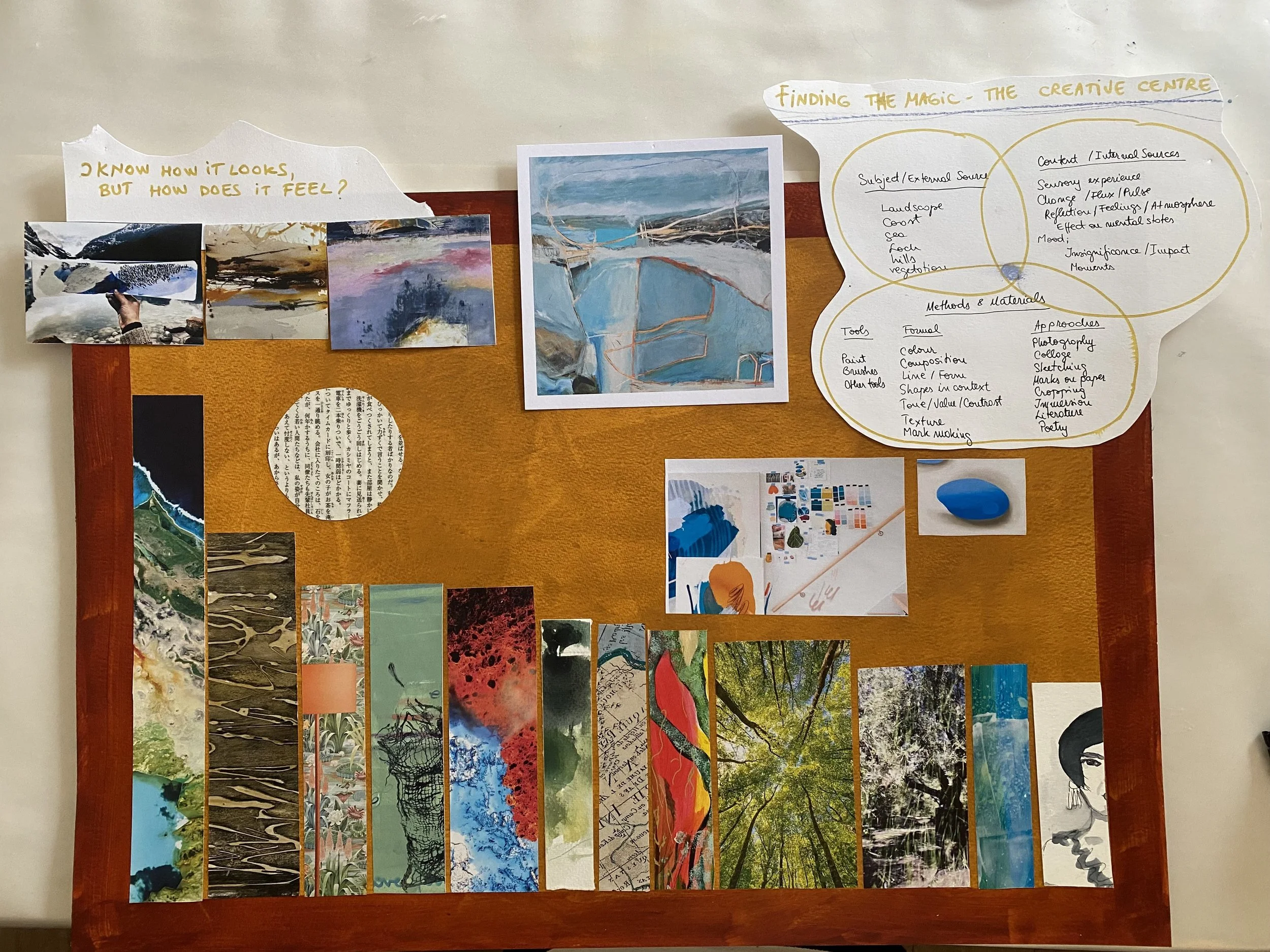
Over the past year, I’ve taken several art courses focused not just on technique, but on process—on finding your own voice. And they all seemed to circle back to the same idea: pay attention to what you like and what you don’t. Not just in art, but in life.
What I started to realise is that my preferences in art mirror my preferences in life. The colours I’m drawn to, the textures, the simplicity or complexity—all of it reflects something deeper. And there’s real power in noticing that, and then choosing accordingly. Because life constantly throws situations at us. And in each moment, we decide: do I accept this, or not?
Head vs Gut
Somewhere along the way, I came across the idea of Human Design. Intellectually, I can see why people dismiss it - Claude AI called it “ probably nonsense'.
And yet… I have both a brain and a gut instinct. And they don’t always agree.
My brain often says: this is irrational, don’t trust it. My gut says: this feels exciting, this feels alive—go for it.
So who do I listen to?
For me, the answer has been learning to pause. As someone with emotional authority, I’ve started to let decisions settle. I don’t react immediately. I give it 24–48 hours, ride the emotional wave, and see how I feel on the other side. And more often than not, clarity comes from that space.
A Sensory Way of Visioning
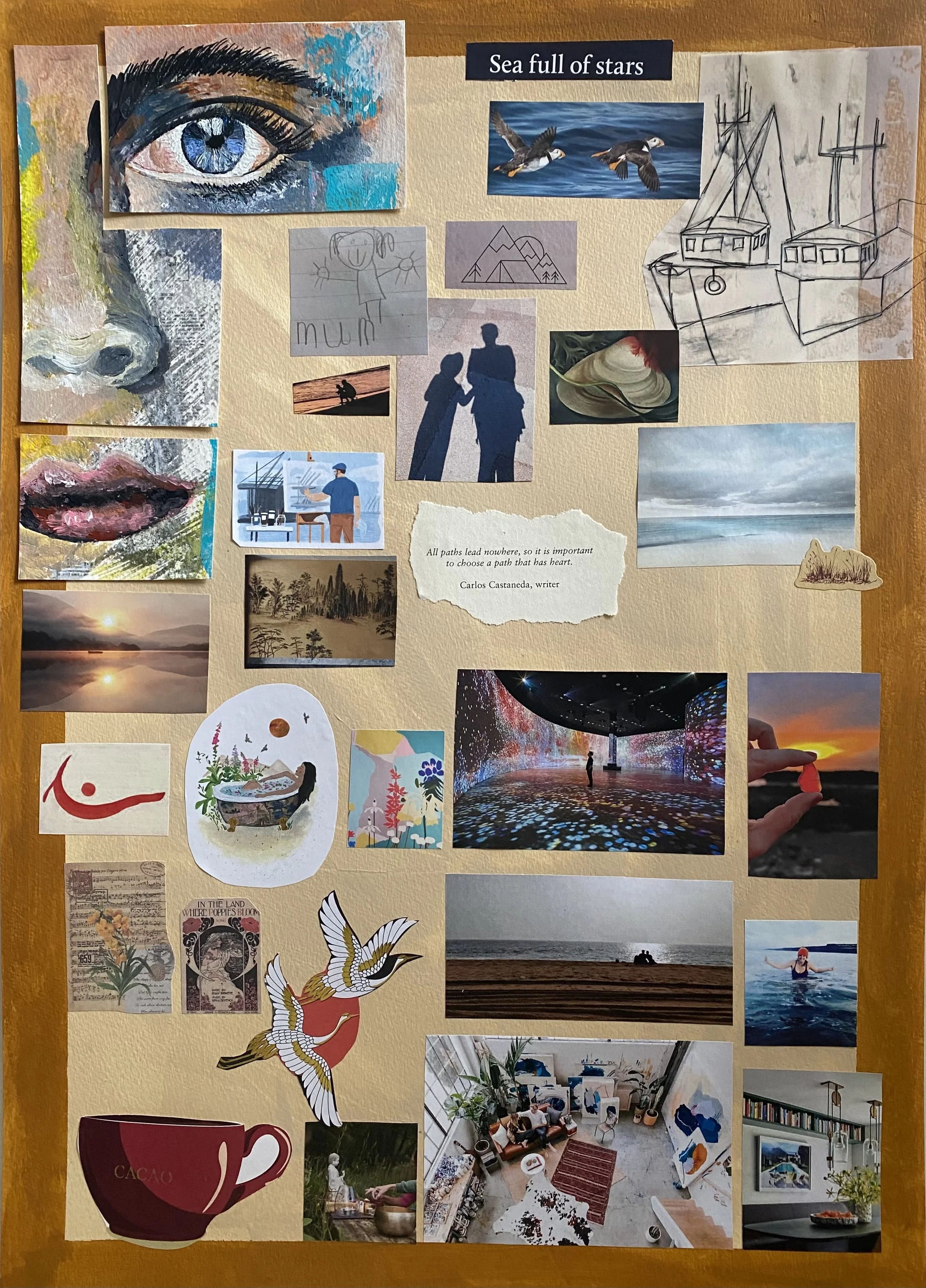
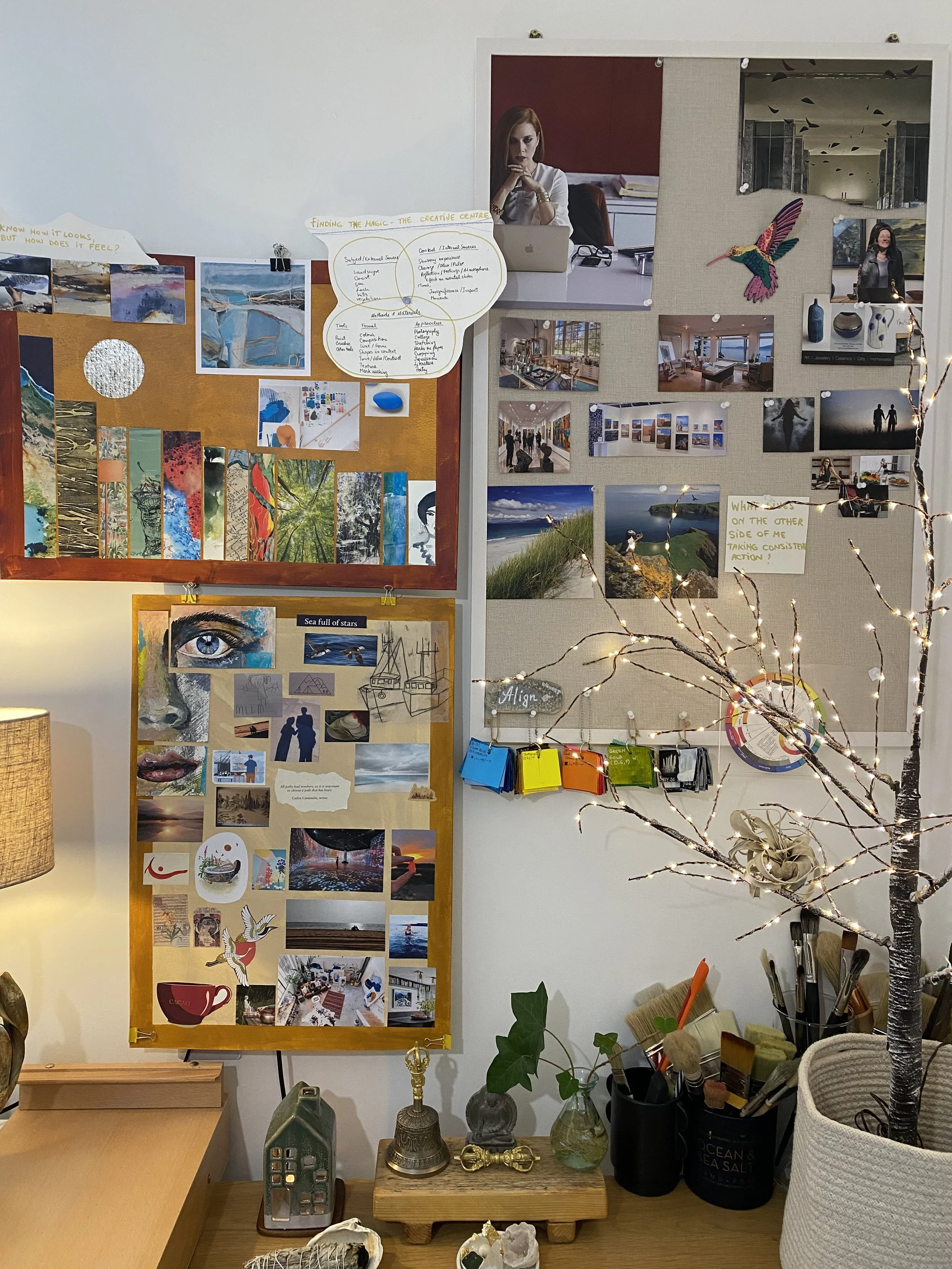
Instead of forcing goals into words, I tried something different: I created a visual inspiration board.
Lists of things I like don’t really move me. Images do.
What I love most in life comes through the senses—what I see, smell, taste, hear, and feel. Even certain types of thoughts carry a sensory quality for me. So instead of writing things down, I started using imagery—an eye, a nose, a mouth—as symbols. When I look at them, they hold layers of meaning: experiences, memories, desires.
In Buddhist teachings, the body is seen as a gateway to experience. There are six “sense doors”: eye, ear, nose, tongue, body, and mind. Through these, we experience the world—and often form attachments to pleasure or discomfort. This stayed with me.
Creating From Within
Another intention I’ve set for this year is to embrace the 80/20 rule in my artistic life.
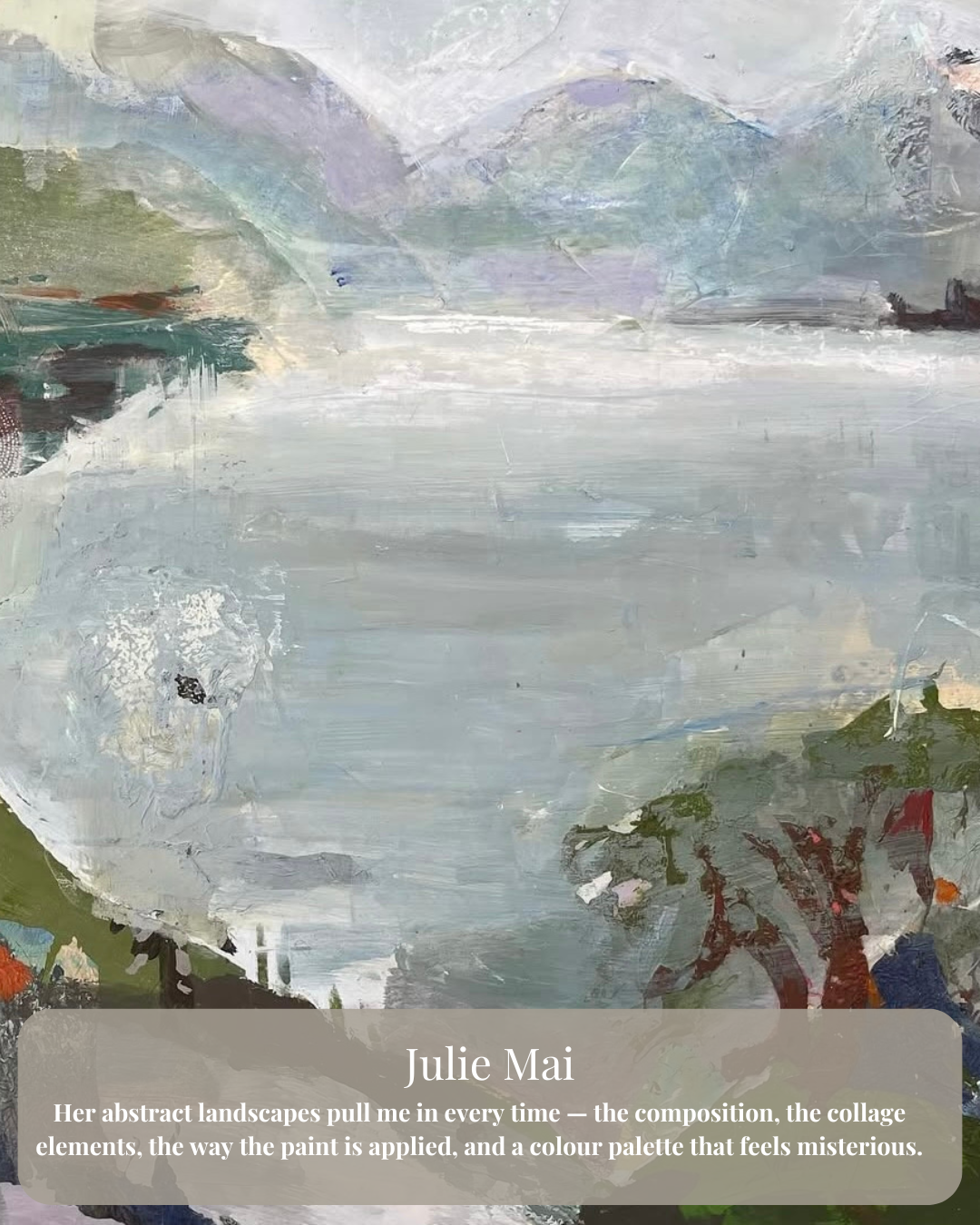
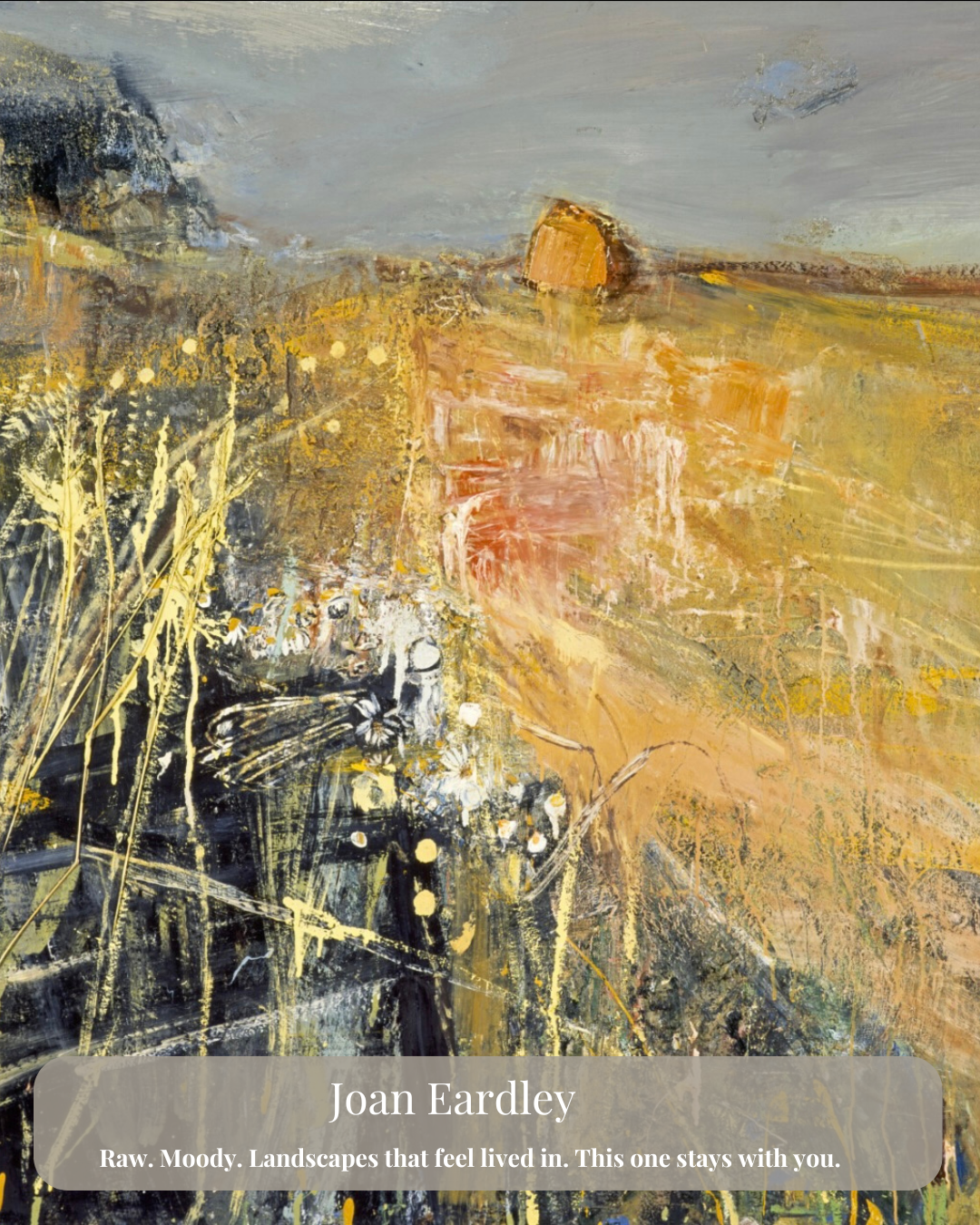
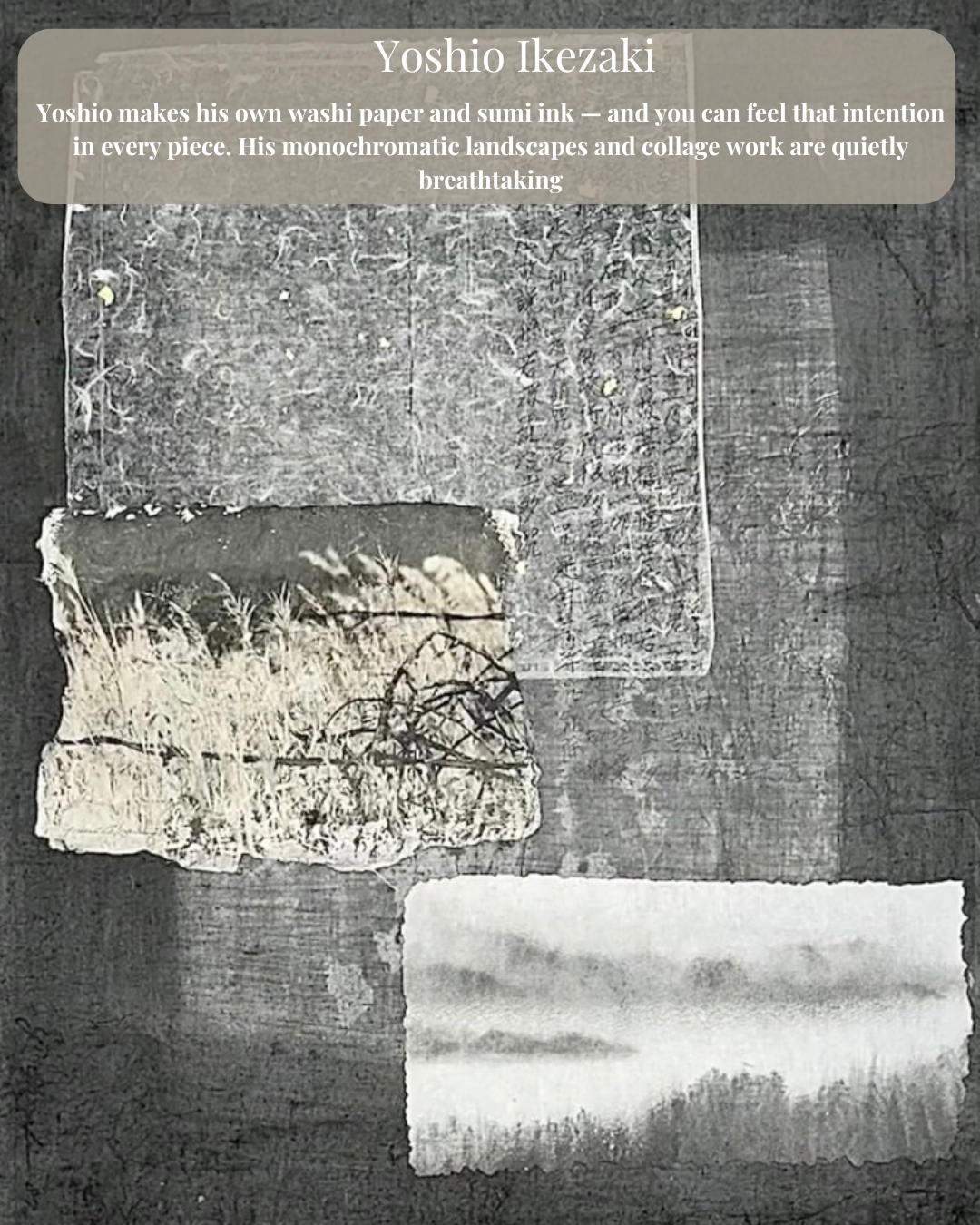
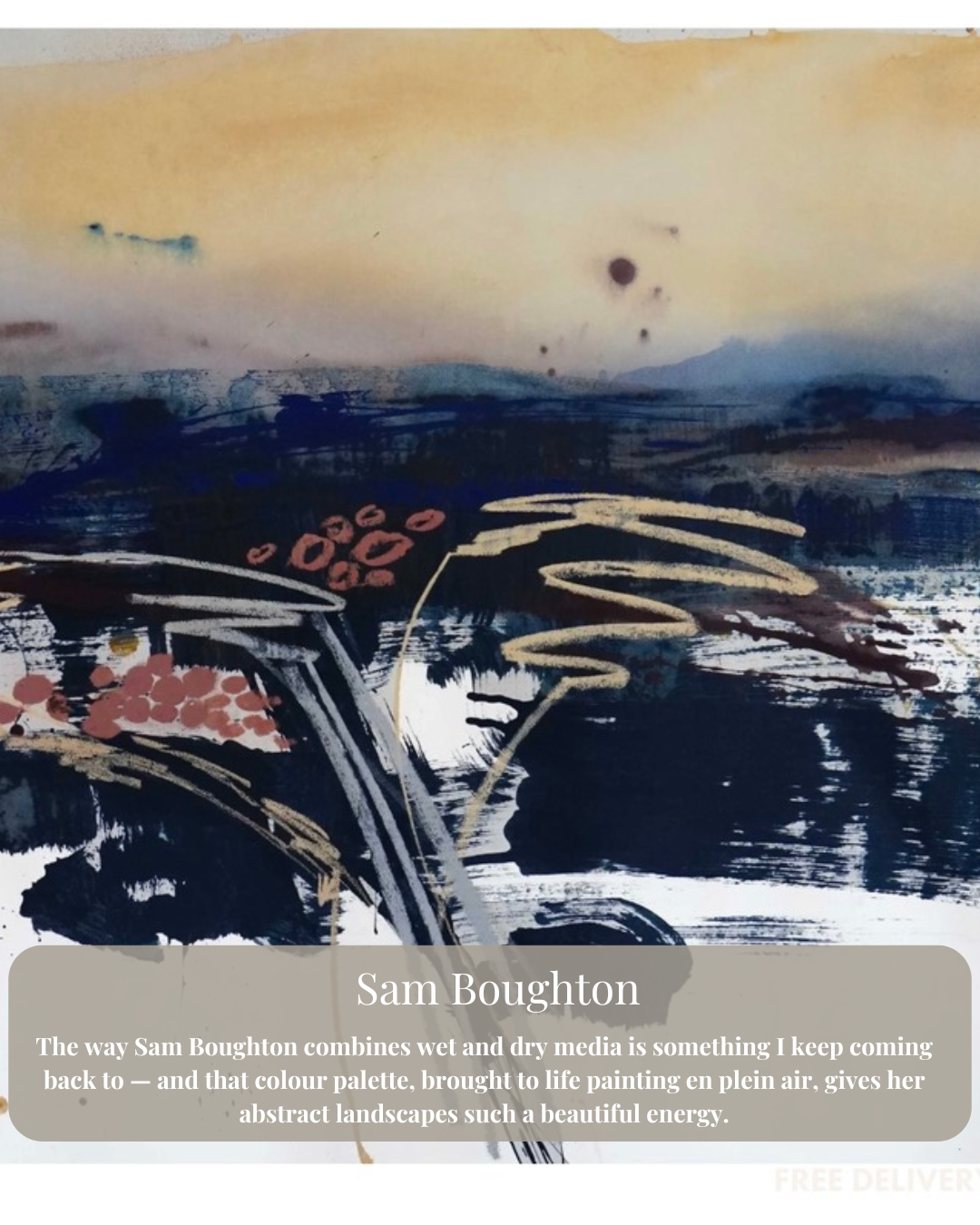
I want 80% of my work to come from within—my own inner landscapes, my own “soulscapes.” And only 20% to be influenced by the outside world.
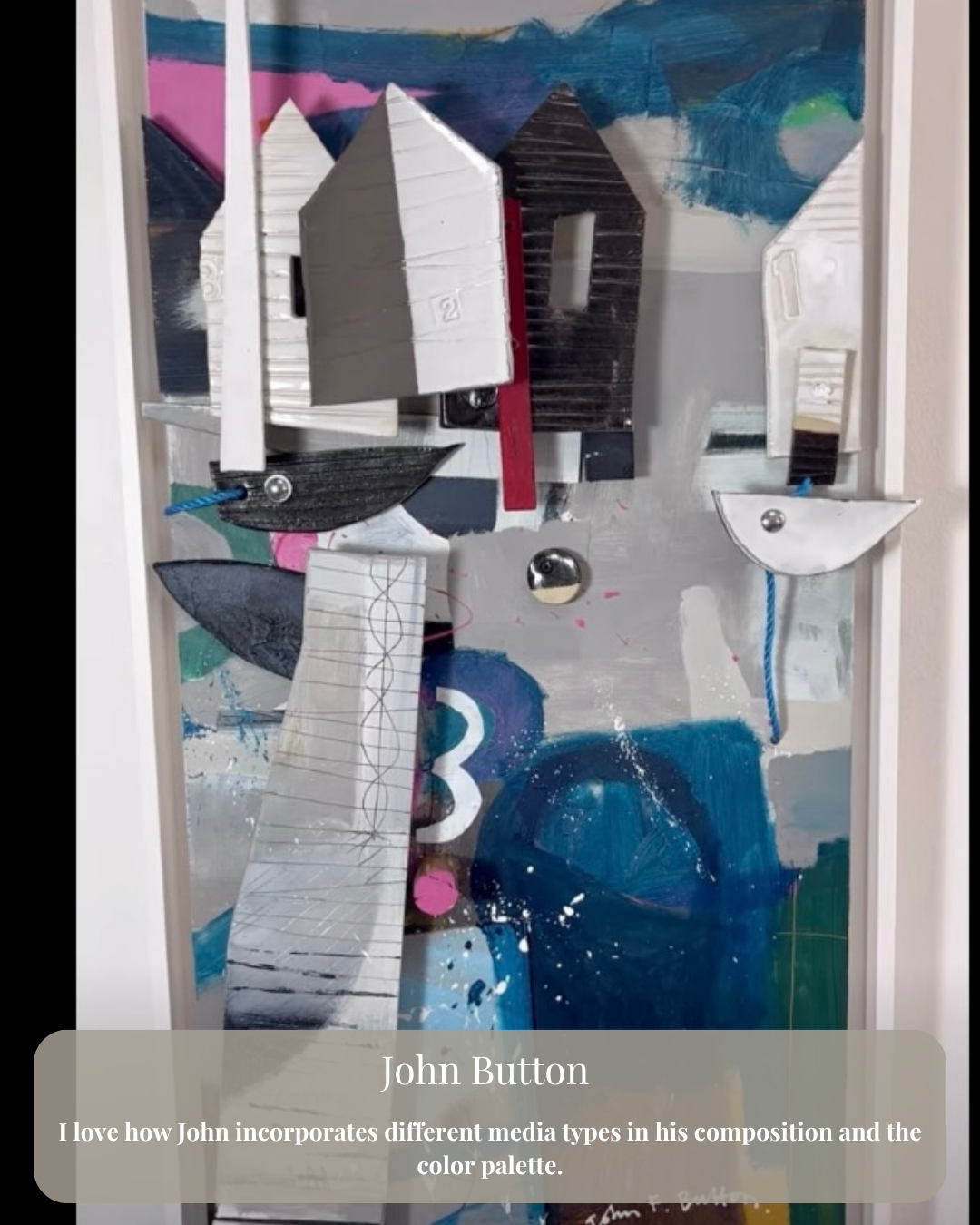
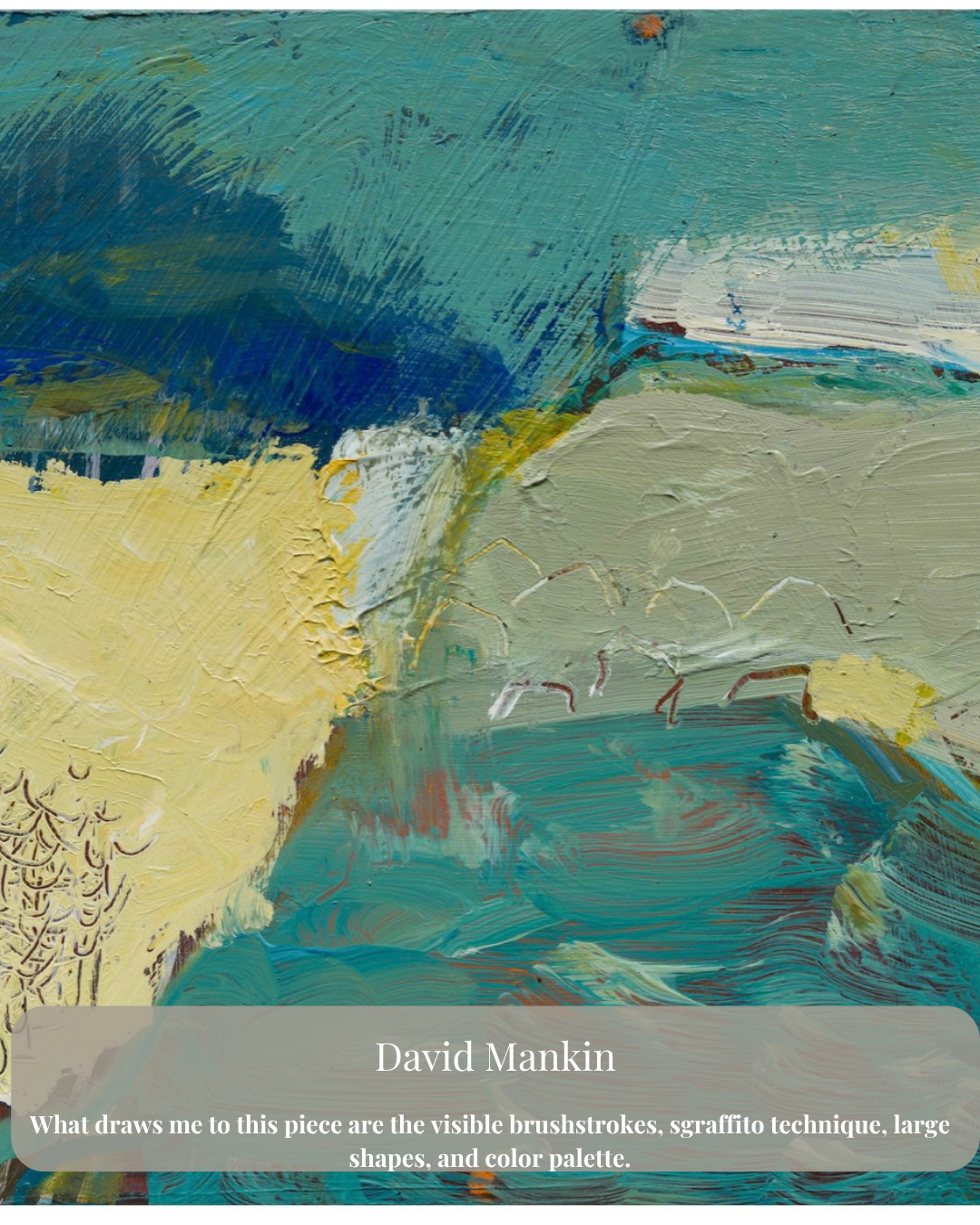
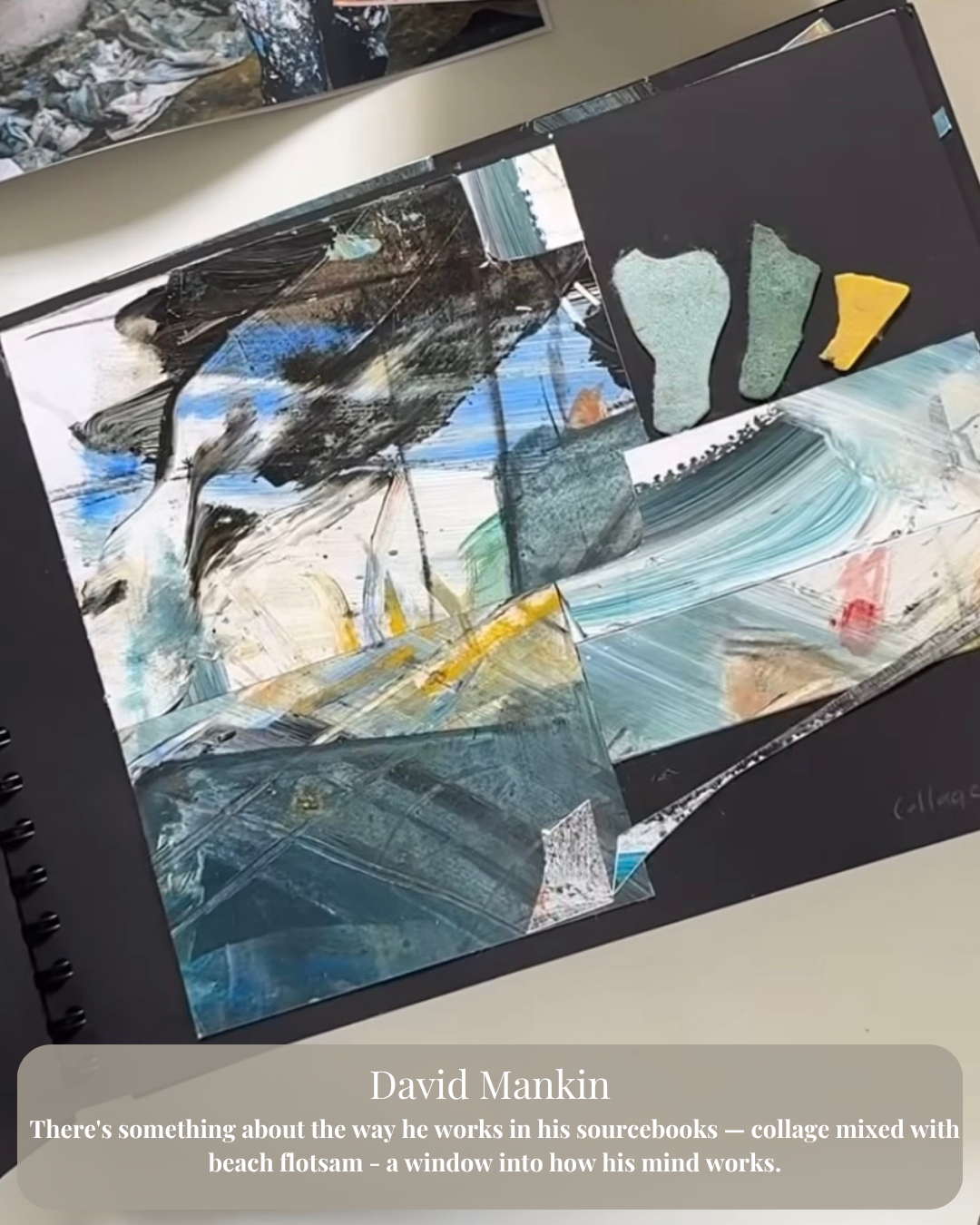
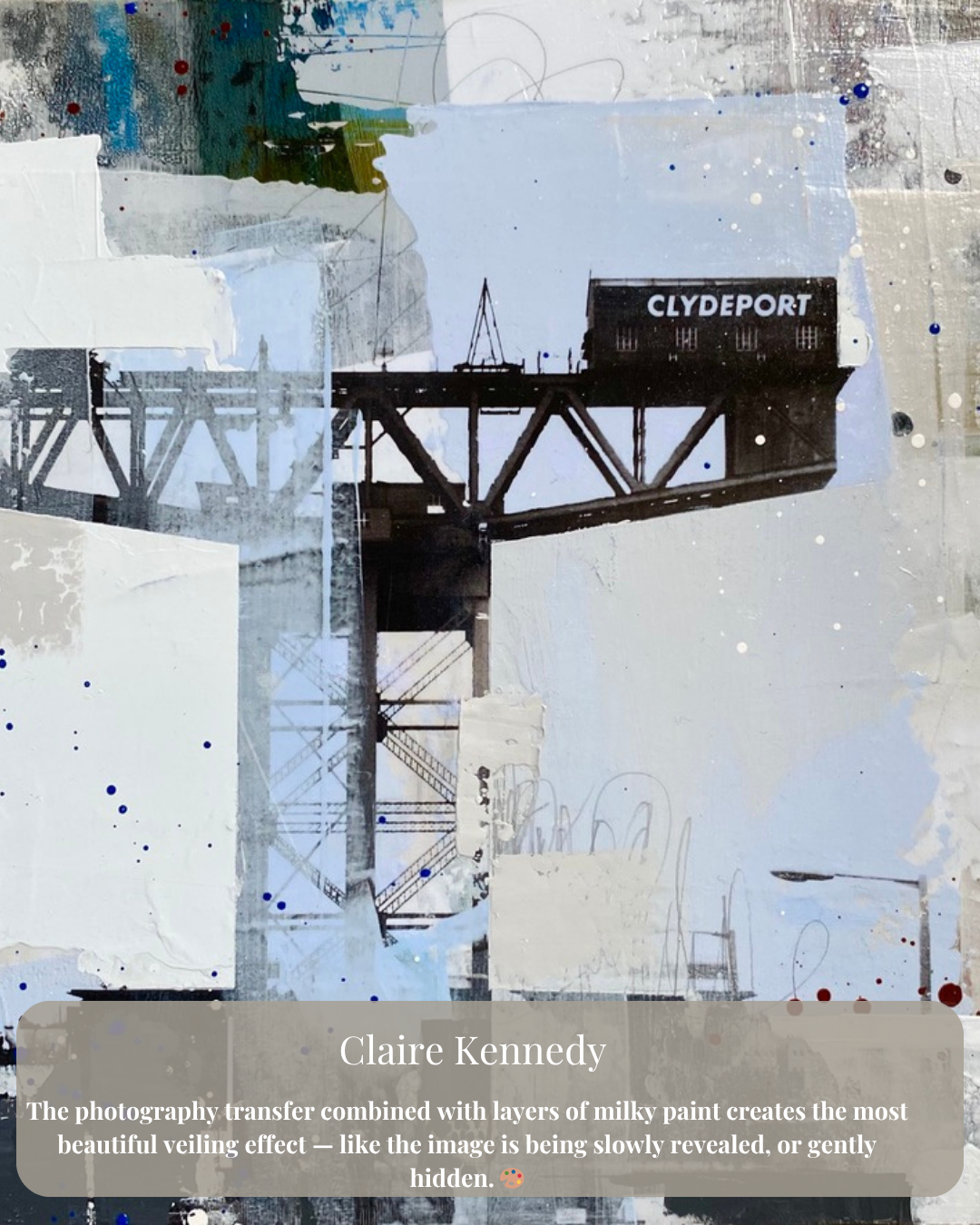
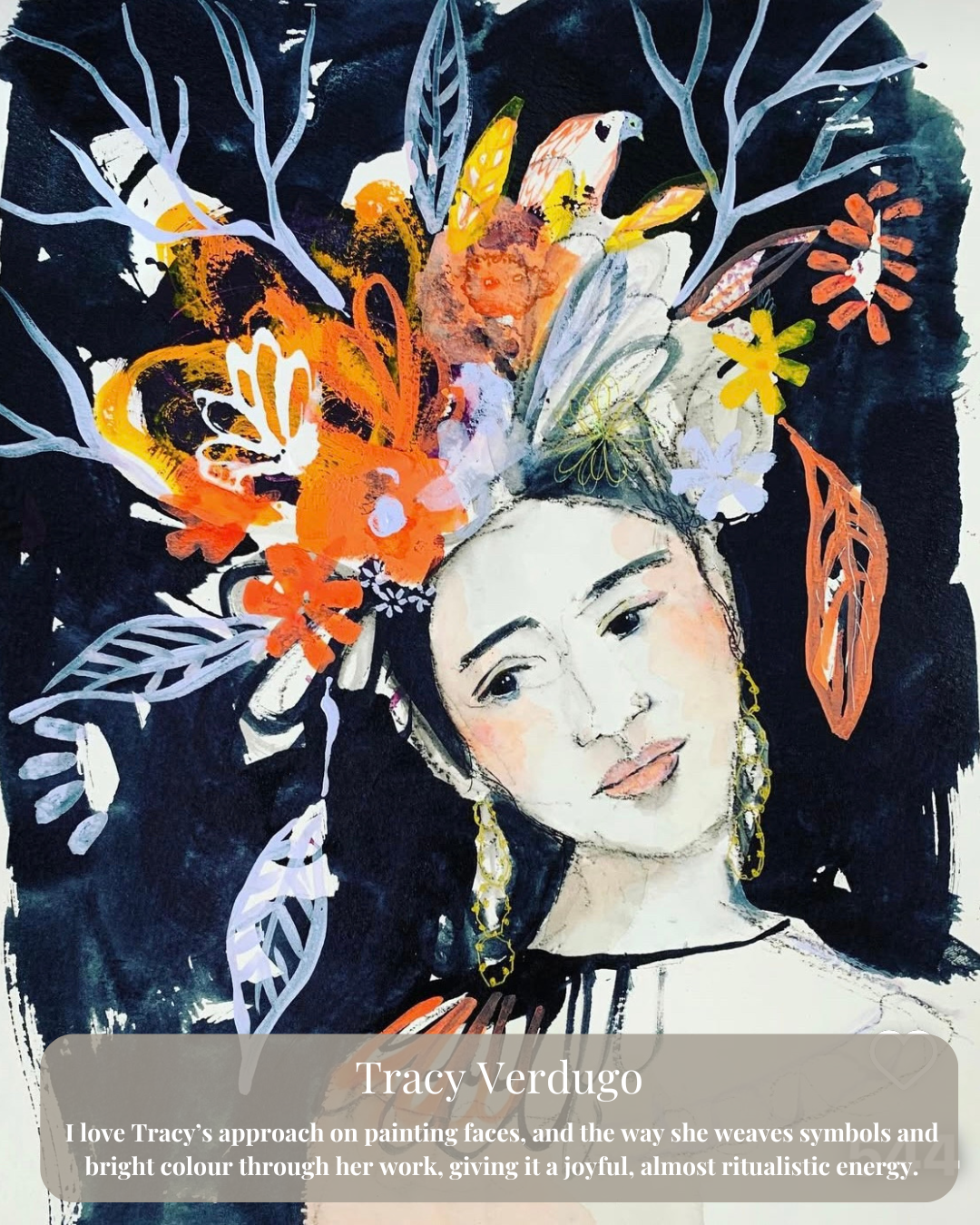
That’s not easy. I love seeing what other artists are doing. But I’ve also noticed how easily that can pull me away from my own voice. It reminded me of the book Steal Like an Artist—the idea that inspiration is fine, but it’s about understanding why you’re drawn to something.
For me, it might be:
a colour palette
a composition
a sense of simplicity
a feeling or mood
the layering of materials
So I notice it, acknowledge it… and then let it go.
Choosing a North Star
At the beginning of the year, I chose a single word to guide me.
Align.
It feels like a quiet anchor—a way of checking in with myself.
For me, alignment means moving closer to a version of myself that feels true, a higher self. I don’t fully know who she is yet, but I trust that she exists somewhere ahead of me—living a more meaningful, more connected life.
Trying to create a vision board around that is challenging. Because I don’t know everything that’s good for me. I don’t know all the possibilities.
So I cast a big net into my imagination and see what comes up—knowing it’s incomplete, knowing it can evolve.
I started with a few images. I’ll add more over time.
It doesn’t need to be perfect.
Letting Go (Again and Again)
At the heart of all of this is a familiar question from personal development:
If you let go of your limiting beliefs—who would you be?
What kind of art would you make? Who would you spend time with? Where would you live? What would your days look like?
I’ve explored these questions for years. Read the books. Listened to the podcasts. Absorbed all the input.
But now, the real question feels different:
How do I live this—without constantly seeking more input?
In Buddhism, there’s a teaching often called the “parable of the raft.” The idea is simple: teachings are like a raft used to cross a river. Once you reach the other side, you don’t carry the raft with you—you leave it behind.
And maybe that’s where I am now.
Not at the end of the journey—but at a point where I need to trust what I already have. To stop collecting and start living.
Aligning with this is not something that can be done all at once. It's something I plan to revisit repeatedly, making small choices along the way—deciding what to let go of, what to say yes to, and what to create.